Ultra launched its Sleep pouch in May 2026 as a nighttime spin-off of its popular Focus pouch. It is a tobacco, and nicotine-free pouch you tuck under your lip, built around melatonin and five calming herbs, and it promises a quick relaxation within 5 to 10 minutes. This Ultra sleep pouches review by our team PureVapeReviews is independent and built on the published research behind each ingredient, and it is clear about what is proven and what is only marketing.
A quick note on how this was done: this is an evidence-based review, not a sponsored one. We aren’t a pouch brand and was not paid or compensated by Ultra through any medium. The analysis draws on Ultra’s published ingredient list, the peer-reviewed studies behind those ingredients, the live product pricing, and the brand’s own claims. Where a number could not be checked independently, this review says so plainly.
Ultra Sleep Pouches Review: The Short Verdict
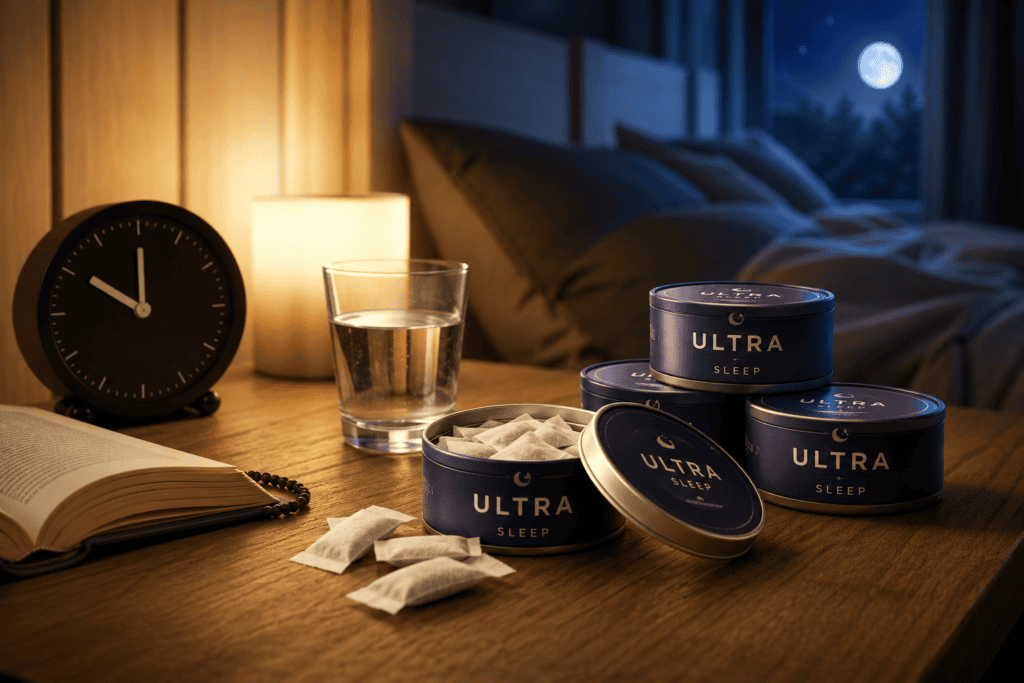
Ultra Sleep is one of the more sensible sleep pouches on sale, mostly because it uses a low 1 mg dose of melatonin instead of the 5 to 10 mg megadoses common in gummies. The catch is that melatonin only nudges sleep; it does not knock you out, and Ultra’s “feel it in 5 to 10 minutes” pitch oversells what melatonin can really do. The five supporting herbs are dosed on the light side, and the headline stats (90% of users, 14% more deep sleep) come from the brand’s own unpublished data. Reasonable formula, honest melatonin dose, premium price, oversold marketing.
Evidence-based rating: 3.5 / 5.
Good Fit: People who want a low-dose, nicotine-free wind-down ritual and dislike swallowing pills. Poor fit: anyone expecting sedative-strength sleep, or shoppers on a tight budget. If you actually want a nicotine pouch rather than a sleep aid, our best Zyn flavors guide is the right aisle.
What Is Inside an Ultra Sleep Pouch?
Each sleep pouch by Ultra is a six-ingredient stack. The doses matter, so here they are next to what the research actually shows.
| Ingredient | Per pouch | What the evidence says |
|---|---|---|
| Melatonin | 1 mg | Modestly speeds how fast you fall asleep. The low dose is a plus, not a weakness. |
| L-theanine | 50 mg | Calming amino acid, but sleep studies usually use around 200 mg. |
| Magnesium (as gluconate) | 30 mg | A small amount, well below a typical 200 to 400 mg supplement. |
| Lemon balm extract | 12 mg | Some evidence for calm, though studied doses run higher. |
| Chamomile extract | 10 mg | Traditional calming herb with thin clinical support. |
| Passionflower extract | 10 mg | Mild sleep and anxiety herb backed by small studies. |
The flavor is Honey Lemon, and a can holds 15 pouches. Melatonin is the headline ingredient, and it is the one dose here that lands in a genuinely sensible range. The rest of the blend is a light touch.
What Melatonin Really Does for Sleep?
Melatonin does not work like a sedative. It is the hormone your body releases at night to tell your brain that bedtime is near. Taking it as a supplement adds to that signal. The largest pooled analysis, by Ferracioli-Oda and colleagues in 2013 across 19 trials and 1,683 people, found melatonin helped people fall asleep about 7 minutes faster and sleep about 8 minutes longer, with a small lift in sleep quality. The effect is real but modest, closer to a gentle push than a sleeping pill. That same review noted prescription sleep drugs cut sleep-onset time by more, yet melatonin is far gentler and is not habit-forming.
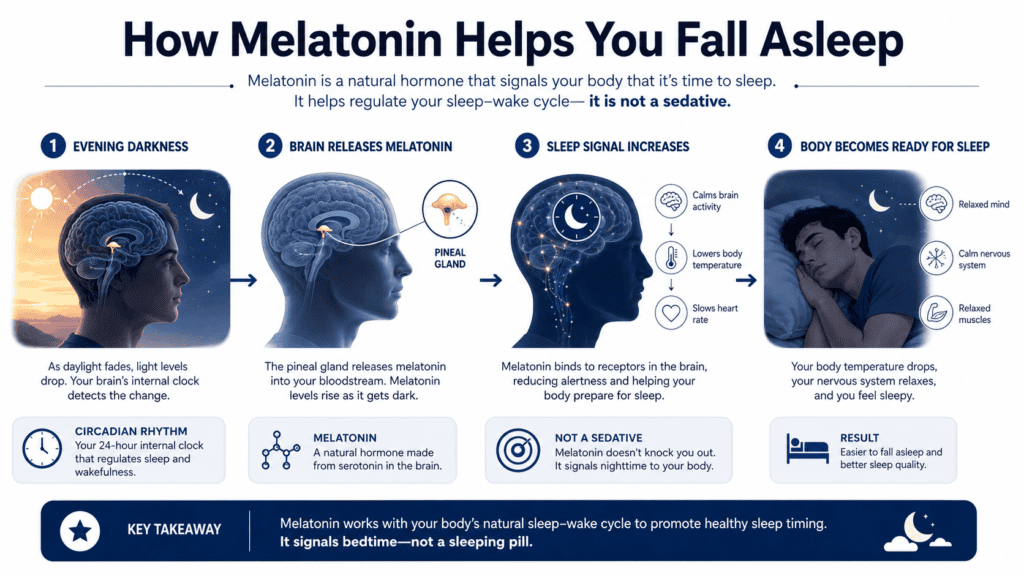
So set your expectations. A melatonin pouch can help you drift off a little sooner and feel calmer at bedtime. It will not shut down a racing mind the way a strong sedative would.
The 5-Minute Onset Claim Examined
Ultra says you feel it in 5 to 10 minutes. That is fast for melatonin, which usually takes 30 to 60 minutes to shift your sleep signal after a swallowed pill. So what would you actually notice that quickly? Most likely the L-theanine and the calming herbs, plus the simple act of slowing down with a warm honey-lemon pouch. Melatonin’s real work happens more slowly and in the background. The quick relaxed feeling many users describe is genuine, but crediting it to melatonin is where the marketing runs ahead of the science.
The Dose and Timing Question
Here is the interesting part. Ultra points to a 2024 dose-response meta-analysis to back its formula. That study is real (Cruz-Sanabria and colleagues, Journal of Pineal Research, 26 trials). Still, it actually found melatonin works best at about 4 mg taken roughly 3 hours before bed, not 1 mg taken moments before sleep. By that study’s own logic, Ultra is both under-dosed and mistimed.
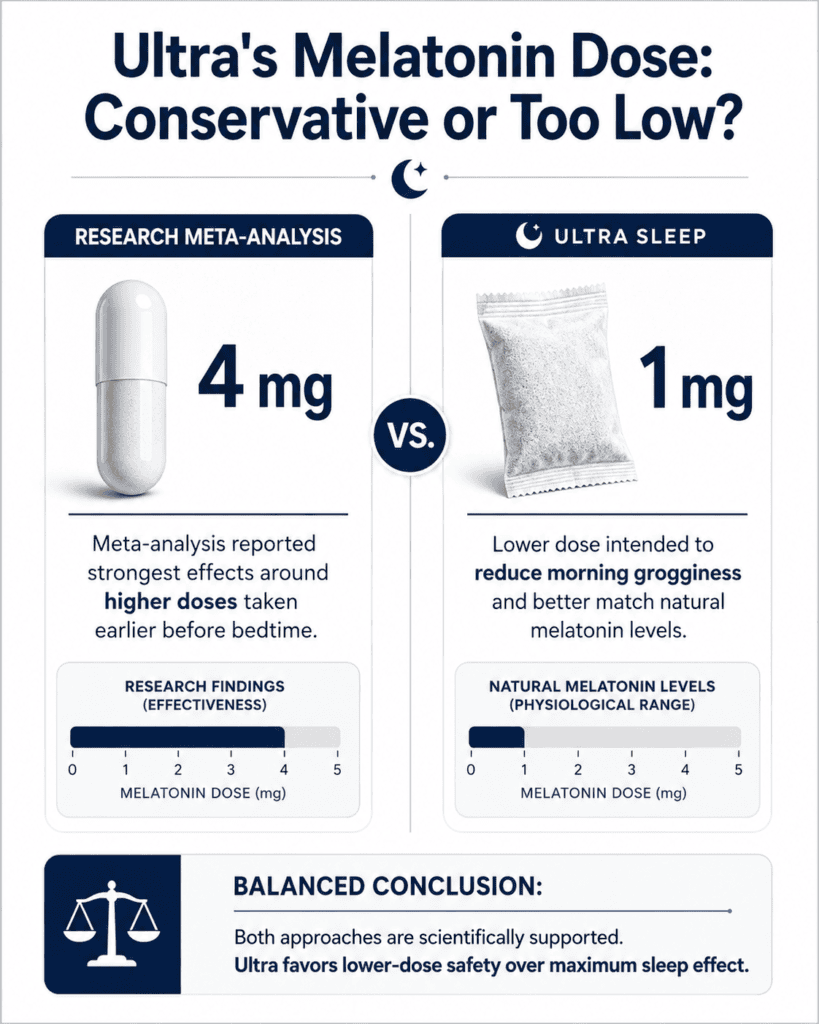
There is a fair counterpoint, and it carries real weight. A large camp of sleep researchers argues the opposite: that low doses near 0.3 to 1 mg match the amount your body makes on its own, work well for helping you fall asleep, and skip the next-morning grogginess that higher doses can cause. By that thinking, Ultra’s 1 mg is a smart, conservative choice, arguably better than a 10 mg gummy. Both views are legitimate. The honest takeaway is this: Ultra’s melatonin dose is defensible and safe, but do not expect the stronger effect that the brand’s own cited study ties to higher, earlier doses.
The One Thing a Pouch Might Do Better
The pouch format is not just a gimmick here. Swallowed melatonin has poor and highly variable absorption. A well-known pharmacology study by DeMuro and colleagues in 2000 measured only about 15% of an oral dose reaching the bloodstream, because the liver breaks down most of it on the first pass. A pouch held under the lip can send some melatonin straight through the lining of the mouth into the blood, skipping that first trip through the liver. In theory that means more of the dose actually reaching you, and reaching you faster. Ultra has not published absorption data for its own product, so this stays a plausible advantage rather than a proven one. It is still a real reason a well-made pouch could beat a cheap tablet.
Do the Supporting Ingredients Pull Their Weight
The other five ingredients are there to relax you. L-theanine is the best supported: it promotes calm without drowsiness, and recent reviews link it to better-rated sleep. The snag is the dose. Most L-theanine sleep studies use around 200 mg, while Ultra has 50 mg. Magnesium at 30 mg is a fraction of a normal supplement serving. Lemon balm and chamomile each have some traditional and early clinical support for calm, and passionflower is much the same, but at 10 to 12 mg all of them sit below the amounts used in most trials. None of this is useless, and the blend probably adds a gentle relaxing layer on top of the melatonin. Just read it as a light finishing touch, not a set of full clinical doses.
What Ultra Claims Versus What Can Be Verified
Ultra’s marketing leads with two numbers: 90% of users reported a significant improvement in their sleep score, and a 14% average increase in REM and deep sleep. Both come from the brand’s own internal data and are not published in any peer-reviewed journal, so neither can be checked. Treat them as marketing. The brand also cites “50+ clinical studies” and “80+ research claims,” but those refer to the individual ingredients in the wider literature, not to Ultra’s finished pouch being tested as a product. The ingredient science covered above is the part that genuinely holds up.
Price and Value
Ultra Sleep is a premium buy. On the official store it is $16 per can and sold only in multi-packs: 3 cans for $48, 6 cans for $96, or 9 cans for $144. There is no single-can option, so $48 is the real entry price. At 15 pouches per can that works out to about $1.07 per pouch, or roughly $32 to $48 for a month of nightly use. A bottle of plain low-dose melatonin costs a few dollars by comparison. You are paying for the pouch format and the added herbs, so the value comes down to how much you prefer a pouch over a pill. For current packs and stockists, see our guide on where to buy Ultra pouches.
Safety and Who Should Skip It
Melatonin is broadly safe for short-term use, and Ultra is nicotine-free and tobacco-free, so it avoids those risks entirely. Common melatonin side effects are mild, such as morning grogginess or vivid dreams, and they show up more with higher doses. The low 1 mg amount here makes them less likely.
Some people should avoid it or check with a doctor first: anyone pregnant or breastfeeding, children and teens unless a pediatrician advises it, people taking blood thinners, blood-pressure, diabetes, or seizure medication, and anyone with an autoimmune condition, since melatonin can interact with these. Do not use a pouch and then drive or operate machinery. For the wider safety picture across the range, see our guide on whether Ultra pouches are safe. This article is general information, not medical advice.
Final Thoughts
Ultra Sleep gets the most important thing right: a low, sensible melatonin dose in a format that may absorb better than a swallowed pill. It loses points for a premium price and for supporting herbs dosed below study levels. The marketing also oversells both the speed and the strength of what melatonin can do. For a nicotine-free wind-down ritual, it is a reasonable choice. As a fix for real insomnia, it is not strong enough, and honestly no pouch is. Rating: 3.5 / 5.
Frequently Asked Questions
Do Ultra Sleep pouches actually work?
They can help you fall asleep a little faster and feel calmer, which is what melatonin and the calming herbs do. They will not work like a prescription sleeping pill, and results vary from one person to the next.
How much melatonin is in an Ultra Sleep pouch?
Each pouch holds 1 mg of melatonin, along with L-theanine, magnesium, lemon balm, chamomile, and passionflower. That 1 mg is a low dose, well under the 5 to 10 mg found in many gummies, which is a good thing for avoiding next-day grogginess.
How do you use Ultra Sleep pouches?
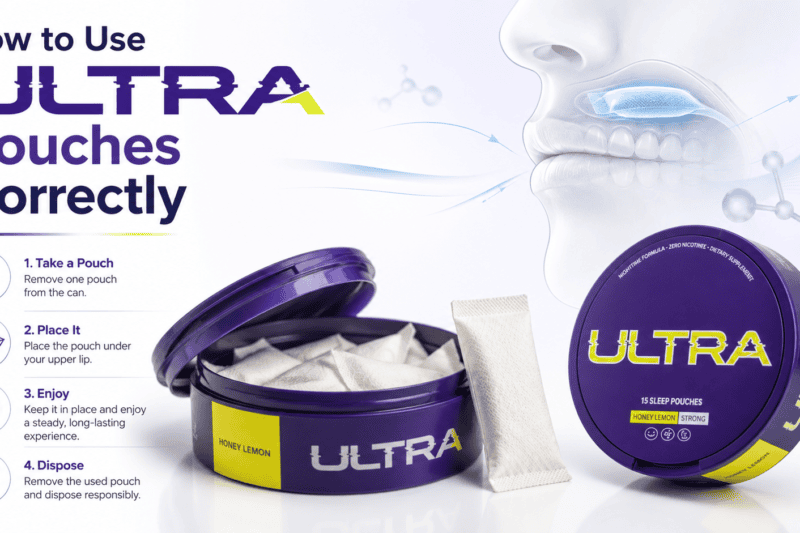
Place one pouch between your lip and gum about 15 to 30 minutes before bed and leave it in for the time the label recommends. Do not swallow it, and do not drive after using it. Our guide on how to use Ultra pouches covers placement and timing in more detail.
Are Ultra Sleep pouches better than melatonin gummies?
The pouch may absorb better because it bypasses the liver, and its lower dose can mean less morning grogginess. Gummies are much cheaper, so the edge really comes down to format and dose preference.
Can you get addicted to Ultra Sleep pouches?
Melatonin is not considered addictive and does not cause physical dependence the way nicotine or some sleep drugs can. Ultra Sleep also contains no nicotine at all.

Alex is a vaping enthusiast with 6 years of hands-on experience across disposable vapes, pods, e-liquids, and flavors. He shares his reviews, insights, and practical tips on vaping with the PureVapeReviews community to help readers make better-informed choices.