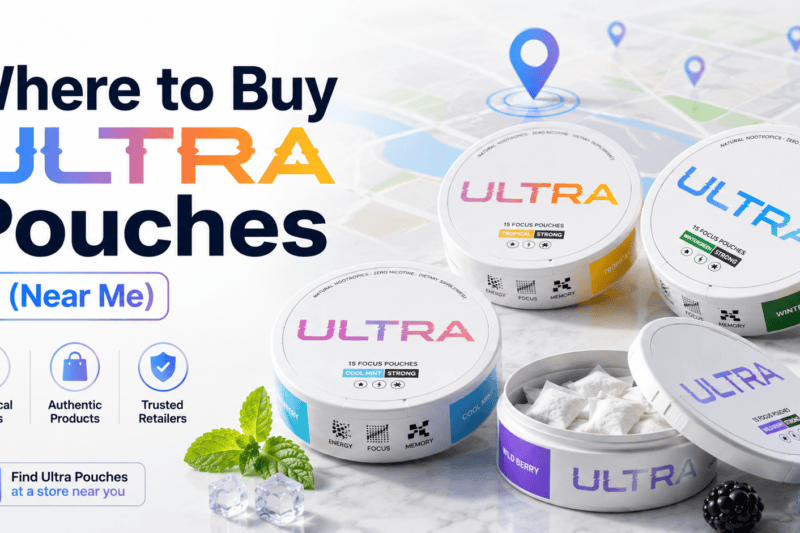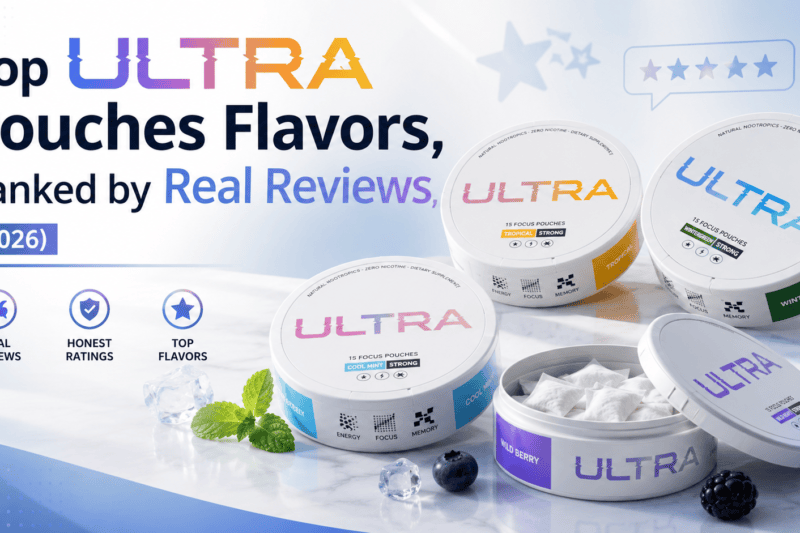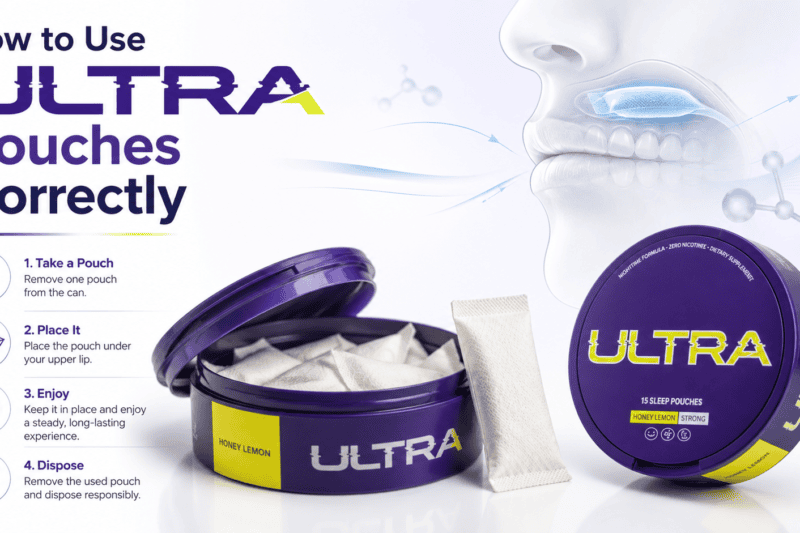
The honest answer up front: for most healthy adults who use them sensibly, Ultra pouches are low-risk, and on the things that matter most they are safer than a nicotine pouch, because they hold no nicotine and no tobacco. But “no nicotine” is not the same as “no risk.” Ultra pouches are still a stimulant, and that comes with a real set of side effects and a list of people who should leave them alone. What follows is drawn straight from the published research on paraxanthine and Ultra’s own label, written independently and with nothing being sold at the end of it. For the overall verdict on whether they are worth buying, see our Ultra Pouches review.
Are Ultra Pouches Safe? The Quick Answer
Used a few times a day by a healthy adult, an Ultra pouch is unlikely to cause harm. Dropping nicotine and tobacco removes the biggest dangers of the pouch category, which is a genuine plus. What remains is stimulant risk: paraxanthine behaves like caffeine, so the usual caffeine side effects apply, and a few groups, including anyone under 18 and anyone pregnant, should not use them at all. The one caveat worth saying plainly is that paraxanthine is a newer ingredient, so the long-term human safety record is still thin.
Why Dropping Nicotine Genuinely Lowers the Risk?
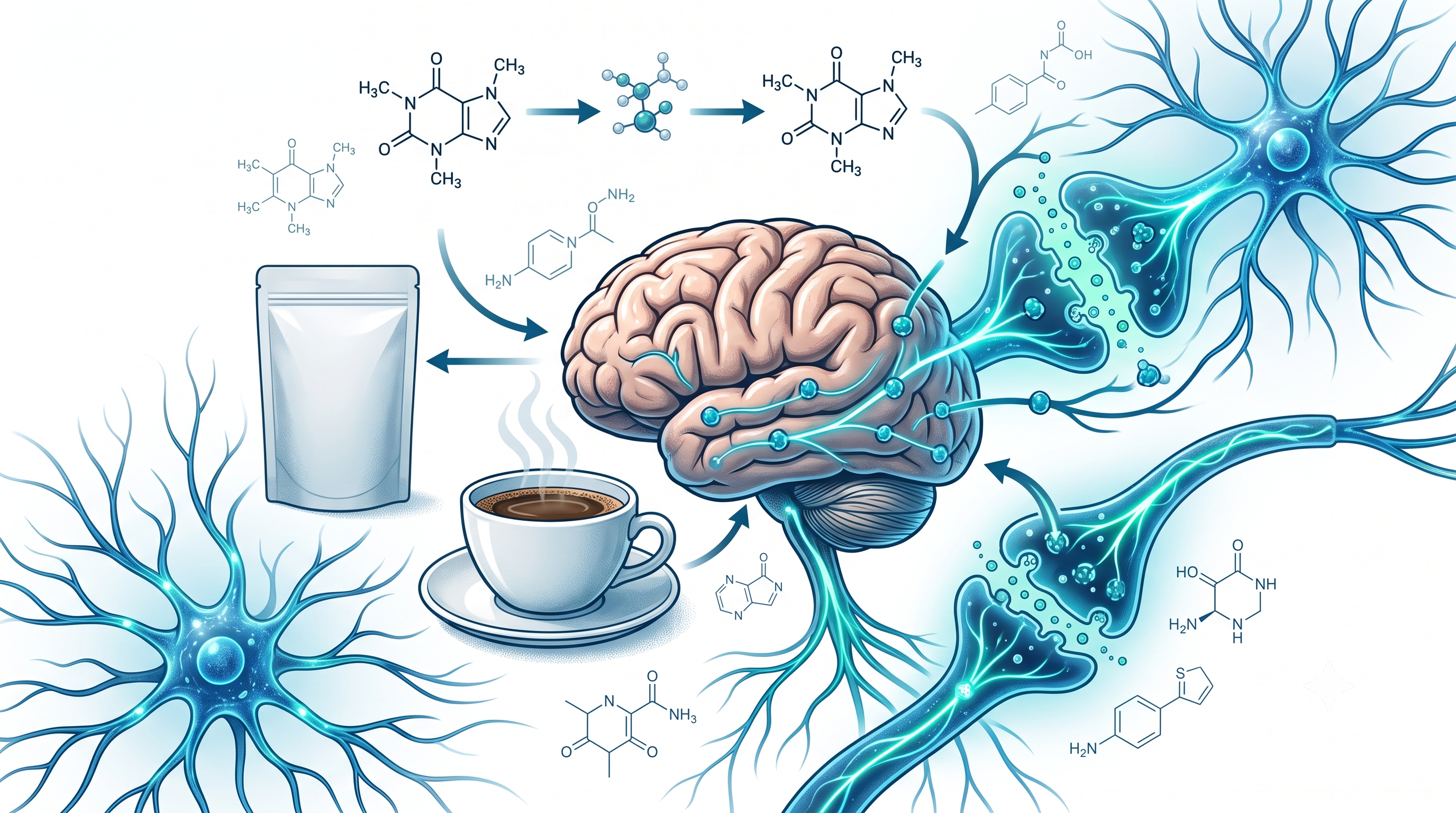
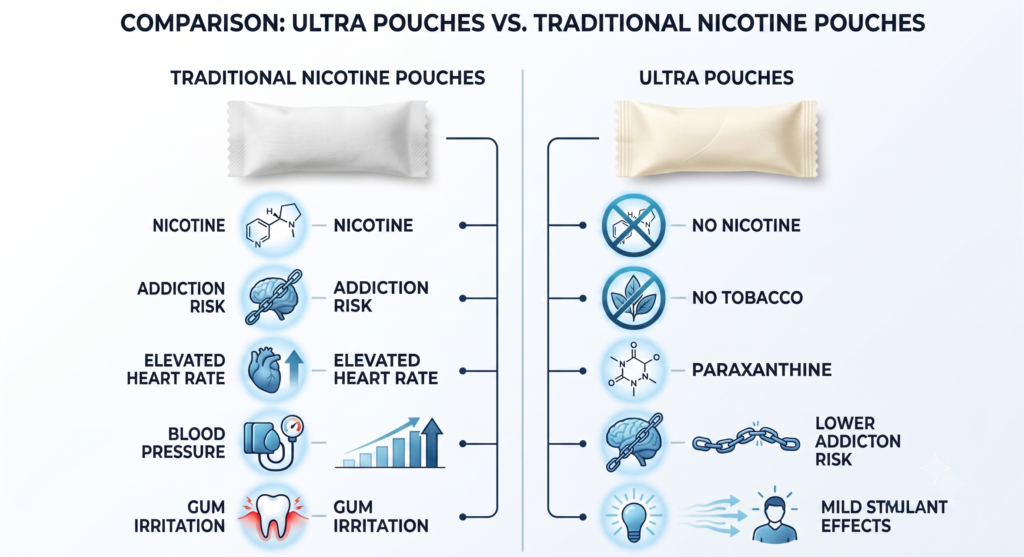
Most of what makes a nicotine pouch risky comes from the nicotine itself. Nicotine is addictive, it raises heart rate and blood pressure, and long-term use is linked to gum damage and cardiovascular strain. An Ultra pouch carries none of it, and no tobacco either. Swapping nicotine for paraxanthine takes the single most habit-forming, heart-taxing ingredient out of the pouch entirely. For someone using a pouch such as Zyn mainly out of habit, that swap is a meaningful reduction in risk, and it is the strongest thing Ultra has going for it on safety.
That is where the easy reassurance ends, though, because what Ultra puts in nicotine’s place is not nothing.
It Is Still a Stimulant: What the Safety Research Shows
Paraxanthine is the compound caffeine becomes inside your body, and it works on the same wiring in the brain, so it is a central nervous system stimulant in its own right. The encouraging news is that the early safety research on it looks at least as good as caffeine’s. In the main safety study, paraxanthine’s no-adverse-effect dose was 185 mg per kilogram of body weight, higher than caffeine’s 150, it showed no genetic toxicity, and no animals died in the paraxanthine groups at doses where some high-dose caffeine animals did (Szlapinski et al., Frontiers in Toxicology, 2023). In the one human trial so far, 200 mg of paraxanthine produced no adverse effect on side-effect ratings or blood markers (Yoo et al., 2024).
| Study | What it looked at | What it found |
|---|---|---|
| Szlapinski et al., Frontiers in Toxicology, 2023 | Paraxanthine safety vs caffeine (animal model) | A higher no-adverse-effect dose than caffeine, no genetic toxicity, and no deaths at doses where high-dose caffeine caused some |
| Yoo et al., 2024 (human trial) | 200 mg paraxanthine, side effects and blood markers | No adverse effect on side-effect ratings or clinical blood markers at the studied dose |
Read together, these point the same way: at sensible doses, paraxanthine appears to be a reasonably well-tolerated stimulant, with a preclinical safety margin a bit wider than caffeine’s. Two honest limits sit next to that, though. The toxicology work is mostly in animals, and the human data is short-term and largely funded by the industry that sells the ingredient, so it is a promising early signal rather than a long, independent track record. Both the caffeine and paraxanthine groups in the animal work also showed brief overstimulation at high doses, which is what you would predict from a stimulant and a reminder that more is not better here.
The Side Effects to Expect from Ultra Pouches
Because paraxanthine acts like caffeine, its side effects read like caffeine’s. Most are mild and tied to taking too much or taking it too late.
- Jitters, a racing feeling, or anxiety, especially at two pouches or stacked on top of coffee.
- A faster or more noticeable heartbeat.
- Trouble falling asleep if used within several hours of bed. Ultra itself advises keeping the pouches at least four to six hours from bedtime.
- A mild headache, or reduced appetite, in some people.
- A tingling or slight burning where the pouch sits, which is normal at first, and gum irritation if pouches are used heavily or parked in the same spot every time.
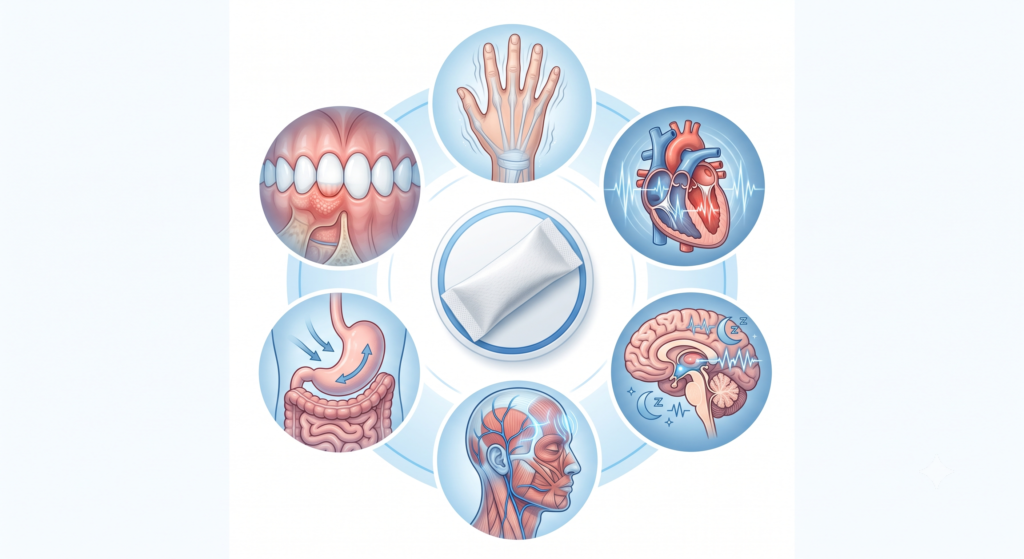
None of these are unusual for a stimulant, and most fade by using fewer pouches or moving them earlier in the day. The tingling is not a warning sign on its own, but persistent sore or inflamed gums are a reason to cut back.
The Blind Spot the Label Creates
There is one safety issue specific to Ultra, and it comes from the label rather than the science. Ultra discloses the amount of only one of its six ingredients. The paraxanthine is listed at 100 mg per pouch, but the alpha-GPC, panax ginseng, L-theanine, and B vitamins sit in an undisclosed blend. For judging safety, that matters, because two of those, alpha-GPC and ginseng, carry their own cautions and can interact with medications, and you cannot weigh a risk you are not allowed to see the size of. The full breakdown of what is disclosed and what is hidden is in the Ultra pouches ingredients audit; for safety, the takeaway is that the stimulant is the known quantity and the rest is taken on trust.
Who Should Not Use Ultra Pouches?
This is the part that matters most, because for some people the answer is a flat no, regardless of the reassuring stimulant data.
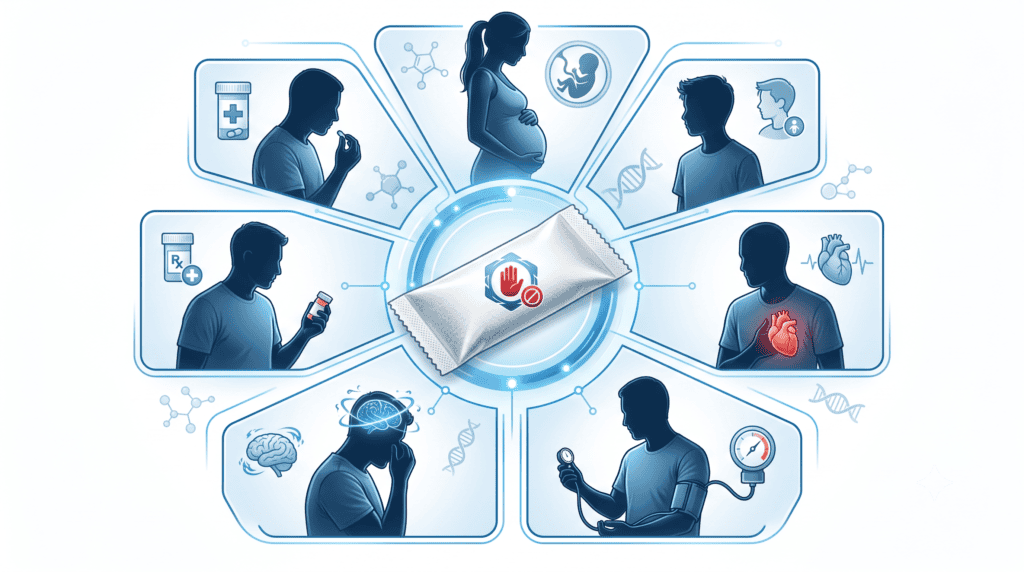
Do not use Ultra pouches if you are under 18, or pregnant or breastfeeding. Avoid them, or talk to a doctor first, if you have a heart condition or high blood pressure, an anxiety or panic disorder, or a known sensitivity to caffeine. The same goes if you take medication that interacts with stimulants, which includes some antidepressants, blood-pressure drugs, and thyroid or heart medicines. Anyone with a diagnosed medical condition is better off running it past a clinician before starting, since a stimulant can quietly worsen problems it did not cause.
None of this is unique to Ultra. It is the standard caution list for any caffeine-strength stimulant, and it applies here in full because paraxanthine is exactly that.
Using Them More Safely
For everyone else, a few simple habits keep the risk low. Start with one pouch to see how you react rather than two. Stay within Ultra’s own daily cap of four pouches, and do not stack them on top of coffee or an energy drink, since the stimulant load adds up. Keep them to earlier in the day so they do not cost you sleep, take a pouch out after thirty to sixty minutes rather than leaving it in for hours, and move it around your gum line instead of the same spot each time. The practical routine is covered in more depth in the how to use Ultra pouches guide.
What About Long-Term Use?
This is where honesty has to win over marketing. Paraxanthine as a standalone supplement is only a few years into wide use, so there is no long-run human data on taking it daily for years, and none at all on years of holding a pouch against your gums. Regular use of any caffeine-type stimulant can also build a mild tolerance, so the lift may fade and you may find yourself reaching for more. That is habituation rather than the kind of addiction nicotine creates, but it is worth watching. The sensible reading is that occasional or moderate daily use looks low-risk on the evidence so far, while heavy, all-day, every-day use is a bet on safety data that does not exist yet.
The Bottom Line
For a healthy adult using them in moderation, Ultra pouches are a reasonably safe product, and clearly a lower-risk choice than a nicotine pouch on the measures that count. They are not risk-free, because they are a real stimulant with real side effects, and they are not for teenagers, pregnant women, or anyone whose heart, anxiety, or medications make caffeine a bad idea. Treat them the way you would treat strong coffee in a discreet new format: fine for most people in sensible amounts, worth a doctor’s nod if your health is complicated, and not something to lean on all day until the long-term research catches up.
This page is educational, not medical advice, so talk to a healthcare professional about your own situation.
Explore the Ultra Pouches guide
Frequently Asked Questions
Are Ultra pouches bad for you?
For most healthy adults in moderation, no. Ultra pouches contain no nicotine or tobacco, which removes the biggest risks of the pouch format, and the early safety research on paraxanthine is reassuring. Ultra pouches are still a stimulant, so overuse or use by sensitive groups can cause problems.
Are Ultra pouches safer than nicotine pouches?
On the risks that matter most, yes. Ultra pouches carry no nicotine, so there is no nicotine addiction and none of nicotine’s cardiovascular or gum-damage burden. They are still a stimulant with their own milder side effects, but the removal of nicotine is a genuine safety gain.
What are the side effects of Ultra pouches?
The common ones are caffeine-style: jitters, a faster heartbeat, anxiety, trouble sleeping if used late, a mild headache, and reduced appetite. Locally, a tingle where the pouch sits is normal, and heavy use can irritate the gums.
Can you get addicted to Ultra pouches?
Not in the way nicotine causes addiction, since there is no nicotine in them. Regular use of the paraxanthine can build a mild stimulant tolerance, similar to coffee, but that is habituation rather than dependence.
Who should not use Ultra pouches?
Anyone under 18, anyone pregnant or breastfeeding, and anyone with a heart condition, high blood pressure, an anxiety disorder, or a caffeine sensitivity should avoid them or check with a doctor first, as should people on medications that interact with stimulants.

Alex is a vaping enthusiast with 6 years of hands-on experience across disposable vapes, pods, e-liquids, and flavors. He shares his reviews, insights, and practical tips on vaping with the PureVapeReviews community to help readers make better-informed choices.